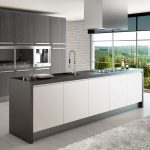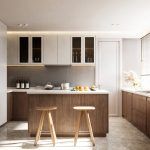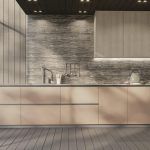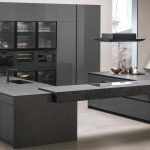
Natural wood is back in the kitchen, and white oak cabinets are leading the return. After more than a decade of all-white and painted cabinetry, homeowners and designers are choosing wood grain again, and white oak is the species they reach for first. Its pale straw-to-brown tone, tight grain, and calm character suit slab-door modern kitchens, Shaker-style transitional rooms, and almost everything in between. In the 20 kitchen ideas below, you will see how white oak cabinets work in modern, classic, two-tone, and island-focused designs, along with the cut, finish, and care decisions that make the look last.
At Prestige Cabinet, we design and install Italian-made cabinetry for kitchens, closets, and living spaces across Orange County. White oak is one of the species we specify most, alongside walnut and European ash, so this guide reflects the choices homeowners actually weigh when they sit down with a designer. The goal is simple: help you picture your own kitchen in natural wood before you commit to a single door.
Why White Oak Cabinets Are Leading the Return of Natural Wood
The shift shows up in the research, not just on social feeds. In the NKBA 2026 Kitchen Trends Report, 59% of the 634 industry professionals surveyed said wood grain is growing in popularity and overtaking painted cabinets, and 51% named white oak the most popular wood type. Homeowners are moving the same way. The 2026 U.S. Houzz Kitchen Trends Study, a survey of 1,780 renovating homeowners, found wood was the most popular cabinet color at 29%, up six points in a year and just ahead of white at 28%.
Several forces are pulling in the same direction:
- Warmth without color risk. Neutrals still dominate, ranked the most popular colors by 96% of NKBA respondents, and wood adds the warmth an all-white room lacks.
- Natural materials throughout the room. The same report places organic and natural design among the most popular styles, alongside quartzite counters and wood floors.
- Timeless over trendy. Transitional, timeless design topped NKBA’s style list at 72%, and a natural material dates more slowly than a specific paint color.
White oak sits at the center of all three. It is neutral enough to pair with almost any counter or wall color, warm enough to soften a minimalist room, and familiar enough to feel permanent rather than fashionable. That is why white oak cabinets keep appearing in new kitchens: they solve the cold-white problem without introducing a color you might tire of. If you are still weighing paint, our post on whether white kitchen cabinets are still in style covers the other side.
What Sets White Oak Apart From Other Cabinet Woods
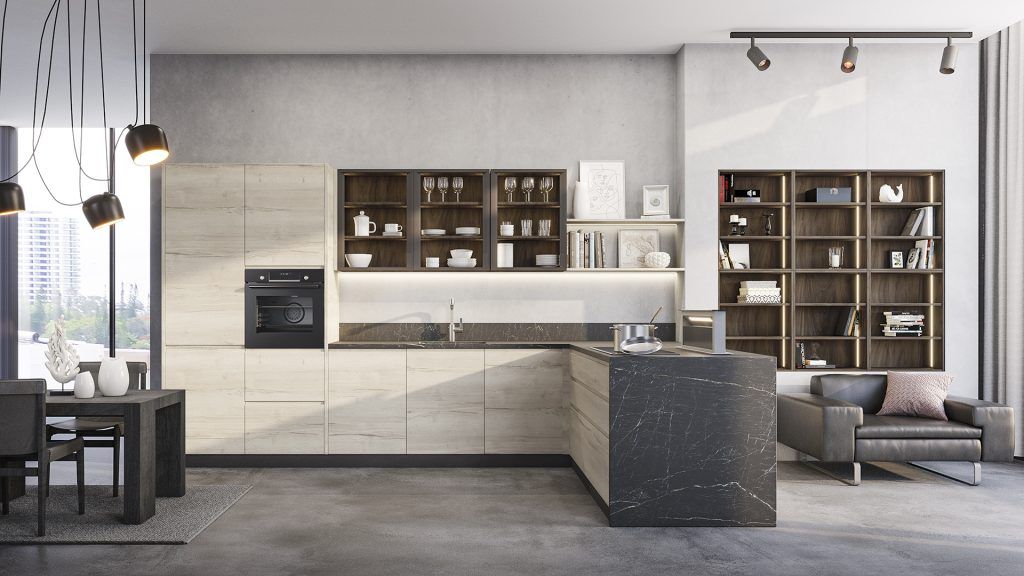
White oak is more than a color choice. Its anatomy explains why white oak cabinets behave so well in a kitchen, and why they look different from the oak cabinetry many people grew up with.
Pale Tone, Tight Grain, and Tyloses
Purdue University’s hardwood profile of white oak describes a wood that runs from a very light straw color, the shade currently in favor, to medium brown, with long ray streaks and occasional gray mottling. Its pores are packed with tyloses, bubble-like growths that help explain why white oak has long been used for barrels. Purdue also rates it among the best hardwoods for clean machining, with excellent strength. Red oak, by contrast, reads warmer and pinker, with more open pores. That difference is why white oak kitchen cabinets look cooler and more refined than the honey oak of the 1990s.
Rift, Quarter, or Plain Sawn
How the log is cut changes the look more than almost any other decision:
- Rift-cut: straight, quiet, linear grain, the defining look of modern oak kitchens
- Quarter-sawn: straight grain with the shimmering ray fleck oak is known for
- Plain-sawn: the familiar cathedral pattern, with the most movement and character
Our wood veneer cabinets page explains each cut in depth and how veneer leaves are matched across a run.
Solid Wood or Veneer?
Purdue notes that white oak shrinks more than most hardwoods, second only to hickory, so it moves noticeably as humidity changes. That is why the best oak cabinetry combines solid wood where movement can be accommodated, such as Shaker door frames, with real oak veneer over a stable engineered core on wide flat panels. Our wooden kitchen cabinets page covers species, construction, and grain matching. One more note: many European kitchens use European oak, a close relative within the white oak group. It shares the pale tone and tight grain but is not identical, so ask which species a sample actually is.
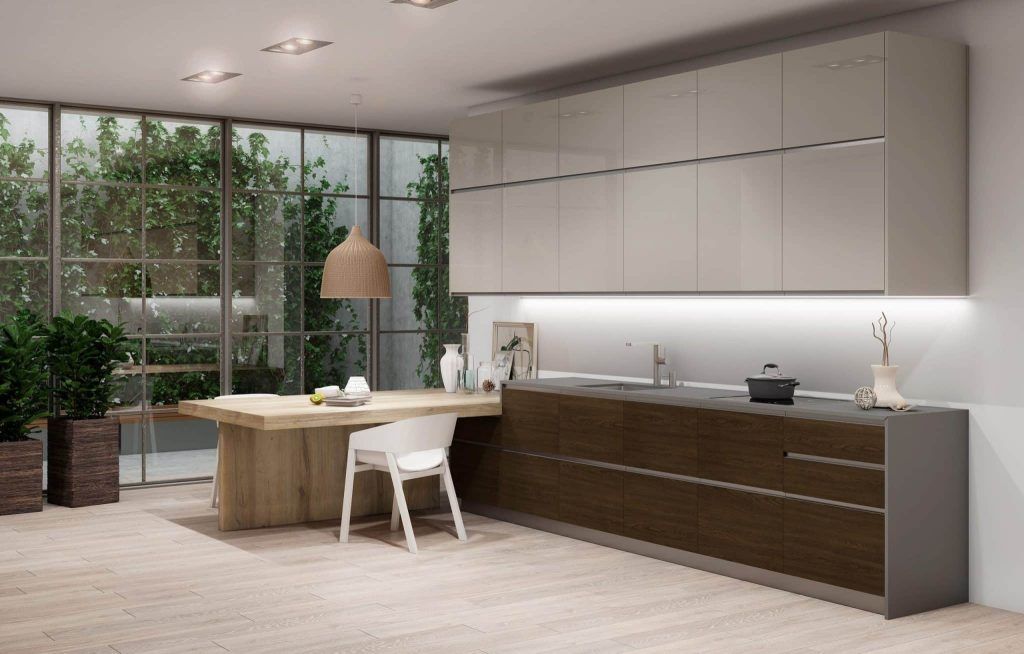
Modern and Minimalist White Oak Kitchen Ideas
Modern kitchens are where white oak has made its biggest comeback. NKBA respondents also named flat slab cabinet doors as gaining popularity (69%), and nothing shows off a quiet oak grain better than an uninterrupted slab.
1. Rift-Cut Slab Doors for a Quiet Modern Kitchen
Rift-cut white oak cabinets with full-overlay slab doors give you wood character without visual noise. The straight grain reads almost like a texture rather than a pattern, which keeps a long run of cabinets calm. Pair it with a white quartz or honed stone counter and slim pulls, and the kitchen feels modern without ever feeling cold. Ask for sequence-matched veneer so the grain continues from door to door instead of restarting on every panel.
2. Handleless Oak Fronts With Integrated Channels
Remove the hardware and the grain becomes the only detail. Handleless kitchen cabinets use finger channels or push-to-open mechanisms, so the oak reads as one continuous plane. This works especially well in open-plan homes, where the kitchen faces the living room and should feel like furniture rather than a work zone. Decide early where the channels fall, because their shadow line becomes part of the composition and should align across every run.
3. Warm Minimalism With Oak, Plaster, and Stone
The warm minimalist look, often called Japandi, pairs pale oak with limewash or plaster walls, a soft stone counter, and very little on display. White oak cabinets carry this style because they add the warmth pure white cannot, while their restraint keeps the room serene. A matte finish keeps the oak looking natural rather than glossy. Keep the palette tight: one wood, one stone, one wall finish, and hardware that fades into the background.
4. Floor-to-Ceiling Oak Storage With Paneled Appliances
Run tall oak units to the ceiling and wrap the refrigerator and dishwasher in matching panels. NKBA respondents expect panel-faced refrigeration (72%) and dishwashers (85%) to gain popularity, and in oak the effect is striking: one wall of grain with no appliance breaking it up. Custom kitchen cabinets built to exact measurements avoid filler strips, so the grain can run edge to edge. Leave pulls off the tall units as well, so the wall reads as architecture rather than storage.
5. Horizontal Grain Across Drawer Runs
Grain direction is an easy detail to overlook. Running the grain horizontally across a long bank of drawers stretches the kitchen visually and gives it a contemporary, architectural feel. It has to be planned before production, so raise it early in the design process if the look appeals to you. Vertical grain on tall units and horizontal grain on drawers can coexist, as long as the change happens at a clear break such as the countertop line.
Transitional and Classic White Oak Cabinetry Ideas
White oak is not only for minimalists. Timeless, transitional design topped NKBA’s style rankings, and oak has a long history in traditional furniture, so white oak cabinets work beautifully with framed doors and period details.
6. White Oak Shaker Doors in a Natural Finish
A five-piece Shaker door in natural oak is the most versatile transitional look. The frame-and-panel construction lets solid wood move without stress, and the clean recessed panel suits farmhouse and contemporary homes alike. A narrow rail gives a lighter, more modern profile, while a wider rail leans traditional. See how this door pairs with full-access boxes on our European Shaker kitchen cabinets page.
7. Quarter-Sawn Oak for Craftsman Character
Purdue’s history of the species notes that quartered and rift white oak became the signature of Arts and Crafts and Mission-style furniture. Quarter-sawn ray fleck brings that heritage into the kitchen, which makes it a natural fit for Craftsman bungalows and older homes where a perfectly plain door would feel out of place. Because ray fleck is busy, let it lead the room and pair it with a quiet counter and plain tile rather than a heavily veined stone.
8. Inset Oak Doors for a Furniture-Like Kitchen
Doors set flush within the cabinet face give oak an heirloom, built-in quality. Inset cabinets demand tight tolerances, but inset white oak cabinets look like fine furniture rather than standard kitchen boxes. Unlacquered brass or aged bronze knobs complete the look. Ask about the reveal around each door, since a consistent gap is what makes inset work read as craftsmanship.
9. Glass-Front Oak Uppers for Display
Swap a few solid uppers for glass-front cabinets framed in oak. The wood warms up glassware and ceramics, and interior lighting turns the display into a soft glow at night. Keep glass fronts to a few units so the room stays balanced. Fluted or reeded glass softens what sits behind it, which helps if your dishes are more practical than decorative.
10. Oak Around the Range as a Focal Point
Wrapping the range wall in oak, with a matching hood surround and flanking pull-outs for oils and spices, creates a natural focal point. In a classic kitchen, this is where a little more grain character, such as plain-sawn or quarter-sawn oak, earns its place. Specify a hard-wearing finish near the cooktop and run the hood while you cook, since grease and steam do the most cumulative damage to any wood surface.
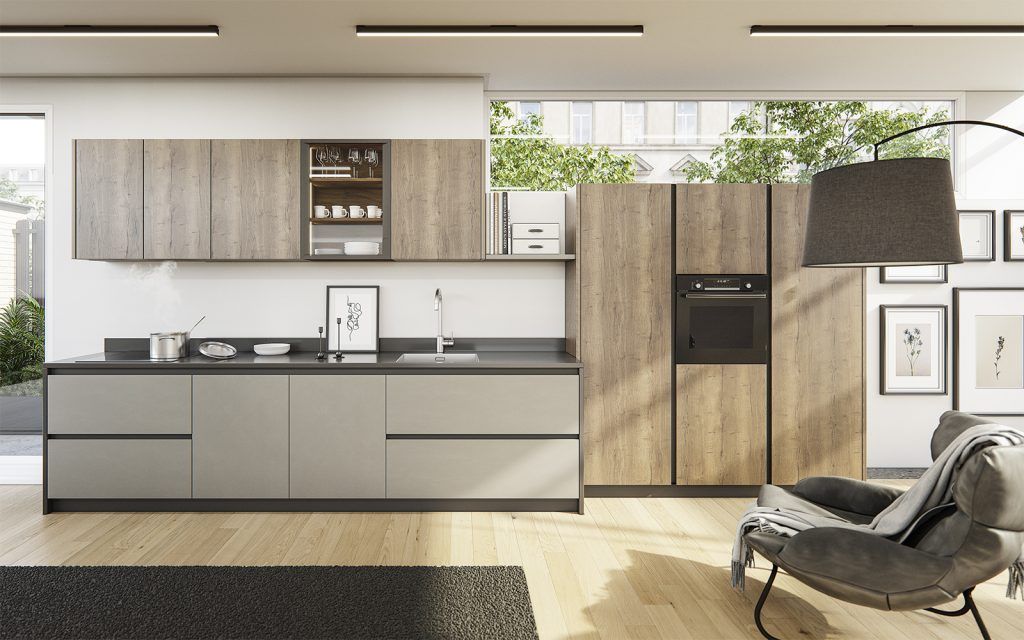
Two-Tone Kitchens That Pair Oak With Paint and Stone
Two-tone design is one of the easiest ways to bring oak into a kitchen without committing every surface to wood. In the Houzz study, nearly one in four homeowners chose contrasting upper and lower cabinets, and wood was the top choice for the lower run at 37%.
11. Oak Lowers With Painted Uppers
Keep the base runs as white oak cabinets and finish the uppers in warm white or soft cream. The wood anchors the room near the floor, while lighter uppers keep the ceiling feeling high. Repeat the oak once higher up, on open shelves or a hood band, so the wood feels intentional rather than confined to the floor. Our two-tone kitchen cabinets page covers pairing wood with paint in detail.
12. A White Oak Island in a Painted Kitchen
If you love your painted perimeter, make the island the wood moment. A white oak island becomes the furniture piece of the kitchen, and it is the element most visible from the living space. To decide whether two finishes suit your room, read our comparison of two-tone and one-color kitchens. Echo the island in a smaller element across the room, such as floating shelves or stools, so it does not feel isolated.
13. White Oak and Walnut Together
Pair quiet rift-cut white oak cabinets on the perimeter with a richer walnut island or tall unit. The straight oak grain and darker walnut figure contrast without clashing, and the mix feels collected over time rather than bought as a set. Keep the walnut to one zone so the two woods do not compete, and choose finishes with a similar sheen to tie them together.
14. Oak With Deep Green or Navy Cabinetry
Color is returning, but in grounded shades. NKBA respondents ranked greens (86%) and blues (78%) just behind neutrals as popular colors. Sage, olive, forest green, or navy cabinets beside white oak cabinets create a palette that feels rooted in nature rather than trend-driven. Color works best on one zone, such as the island or a run of lowers, with oak carrying the rest of the room.
15. Oak With Matte Black Accents
Matte black hardware, a dark steel hood, or black window frames sharpen white oak’s softness. Use black sparingly, on pulls, faucets, and lighting, and let the oak remain the dominant material in the room. A thin black edge on a stone counter or a black-framed glass cabinet does the same job with even less material.
White Oak Islands, Storage Walls, and Finishing Touches
The final five ideas focus on the pieces that make white oak cabinets feel truly custom: islands, pantries, lighting, and the finishes that tie oak to the rest of the home.
16. A Fluted or Reeded Oak Island
Vertical fluting machined into oak panels adds shadow and texture to an island without adding color. It is one of the most recognizable natural wood details right now, and it pairs especially well with a slim stone countertop and simple stools. Grooves collect dust, so a matte finish and a slightly wider flute are easier to keep clean in a busy kitchen.
17. An Oak Pantry Wall With a Hidden Coffee Station
Pantry cabinets were the most popular built-in feature in the Houzz study, included by 47% of renovating homeowners, and 24% added a beverage station. Build both into a tall wall of white oak cabinets, with pocket doors that slide away to reveal the coffee machine, cups, and a small work surface. Use a durable, wipeable surface inside the station, because standing water and coffee spills are hard on any wood finish.
18. Oak Interiors With Integrated Lighting
Light makes oak glow. NKBA respondents expect under-cabinet lights (82%) and interior cabinet lights (72%) to be popular, and both flatter the grain. Warm-white LEDs inside glass-front or open units show the wood at its best after dark. Choose a warm color temperature with high color rendering so the oak looks the same at night as it does in daylight.
19. Oak That Flows Into Living and Dining Spaces
In open-plan homes, carry the oak into a built-in bookshelf, media wall, or dry bar so the kitchen and living areas share one material. Our guide on whether living room cabinets need to match the kitchen explains how to coordinate finishes between rooms. The oak does not have to match exactly; a related tone or a shared door style is often enough to link the spaces.
20. Cerused or Limewashed Oak for Coastal Homes
A cerused finish works pale pigment into wire-brushed oak grain, while limewash softens the entire surface. Both suit bright coastal kitchens, where they feel relaxed and sun-washed rather than rustic. Ask to see samples in daylight, because strong Southern California light changes how pale finishes read. Both treatments are applied during manufacturing, so settle on them before production rather than after installation.
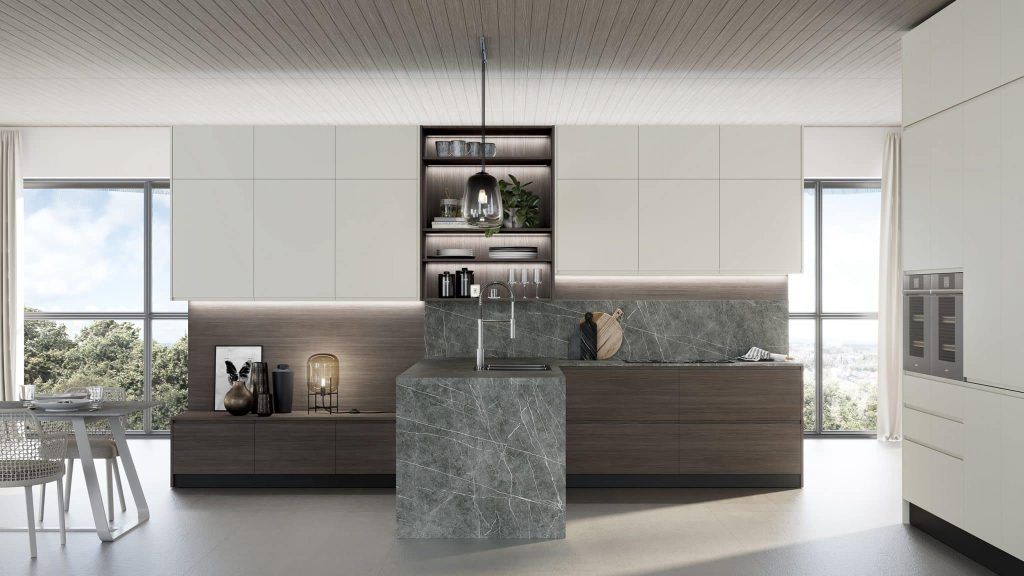
Choosing a Finish and Caring for White Oak Cabinets
The finish decides whether white oak cabinets still look fresh in ten years, so choose it as carefully as the cut.
Natural, Bleached, Cerused, or Fumed?
- Clear matte or natural finishes show the species as it is; water-based, non-yellowing coatings keep oak from drifting toward amber
- Bleached or whitewashed oak pushes the tone toward Scandinavian pale
- Cerused and limewashed finishes highlight the grain with white pigment
- Fumed or smoked oak reacts with the wood’s natural tannins, deepening it to a rich brown without hiding the grain
See Samples in Your Own Light
Oak looks different under showroom lighting, morning sun, and evening LEDs, so take large door samples home whenever you can. Compare at least two finishes beside your floor, counter, and wall color at several times of day. A door-sized sample tells you far more than a small chip, especially for pale or cerused finishes.
Light, Moisture, and Everyday Care
All wood shifts color with light over time, so expect a gradual, even change rather than a defect. Because white oak moves with humidity, sealed edges and a quality finish matter most near the sink and dishwasher. For daily care, use a soft microfiber cloth, warm water, and a little pH-neutral soap, then dry the surface. Avoid abrasive pads, ammonia sprays, and silicone polishes, and wipe up spills promptly.
FAQs About White Oak Cabinets
Yes, and the research suggests they are more than a passing trend. The NKBA 2026 Kitchen Trends Report found white oak was the most popular cabinet wood at 51%, and Houzz found wood overtook white as the top cabinet color. Because white oak is a natural material with a neutral tone, it dates more slowly than a specific paint color, especially in a rift-cut or Shaker style.
White oak has a cooler straw-to-brown tone and pores plugged with tyloses, while red oak reads warmer and pinker, with more open pores. The result is that white oak looks calmer and more contemporary, especially when rift-cut. Red oak was standard in many 1980s and 1990s kitchens. If you have it now, our guide on how to make oak kitchen cabinets look modern covers refinishing options.
White oak itself changes slowly, but the finish matters more. Oil-based and amber-tinted coatings deepen toward yellow-orange with age and sunlight, while water-based, non-yellowing clear finishes keep oak close to its original tone. Every wood shifts somewhat with light exposure, so look at samples in your own kitchen before you choose.
Usually both. Solid oak works well for door frames, drawer boxes, and trim, where movement can be managed. Wide flat panels perform better as real oak veneer over a stable engineered core, because white oak shrinks and swells noticeably with humidity. Ask your supplier which components are solid and which are veneered, and confirm the veneer is genuine wood rather than printed laminate.
The cut, the construction, and the finish. Rift-cut and quarter-sawn oak use more of each log than plain-sawn, sequence-matched veneer adds planning and production time, and specialty treatments such as fuming or cerusing take more labor. Door style, cabinet count, and interior organizers matter just as much. The most accurate way to budget is a free design consultation that ends with a measured, itemized quote.
Design Your White Oak Kitchen With Prestige Cabinet
Natural wood is back because it makes a kitchen feel warm, grounded, and lasting, and white oak cabinets deliver that feeling in almost any style. Whether you lean toward rift-cut slabs, oak Shaker doors, or a two-tone design with a statement island, the right cut and finish will shape how your kitchen looks for years. You can see how finished wood kitchens come together in our project gallery.
Prestige Cabinet designs and builds Italian-made cabinetry for Orange County homes, with European-engineered hardware and a lifetime warranty. Visit our Santa Ana showroom at 650 S Grand Ave or our Laguna Niguel showroom at 23811 Aliso Creek Rd, Unit 160, to compare oak samples under real light. Or book a free design consultation, and our designers will show you how white oak cabinets would look in your own kitchen before anything goes into production.