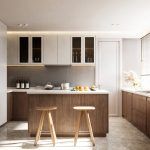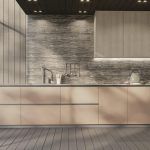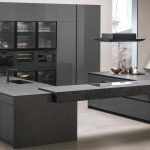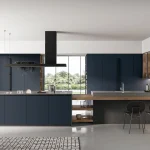
The main types of storage cabinets are base cabinets, wall cabinets, and tall cabinets, either built in or freestanding. Every room adapts those three forms to its own job: pantry and corner units in the kitchen, wardrobes and closet systems in the bedroom, media walls and bookcases in the living room, vanities and linen towers in the bathroom, and utility towers in the laundry room and garage. The right storage cabinet for any room depends on what you keep there, how often you reach for it, and the conditions it has to survive, from shower steam to heavy tools.
At Prestige Cabinet, we design and install Italian-made custom cabinetry for kitchens, closets, and living spaces across Orange County. Nearly every consultation starts with the same question: what kind of storage does this room actually need? Homeowners often arrive with a style in mind, but the better starting point is an honest inventory of what the cabinets must hold.
This guide walks room by room through the storage cabinet types that work, the ones that rarely earn their space, and the practical details, from moisture resistance to wall anchoring, that decide whether a cabinet still performs years after installation.
What Is a Storage Cabinet? Built-In vs Freestanding Units
A storage cabinet is any enclosed unit, fitted with doors, drawers, or both, that keeps household items organized and out of sight. That definition covers everything from a kitchen pantry tower to a bathroom vanity, which is why the first decision is not style. It is installation type.
Built-In Cabinetry: Fitted to the Room
Built-in cabinets are fastened to the walls, the floor, or both, and sized to the exact space they occupy. They can run floor to ceiling, scribe to walls that are never quite straight, wrap corners, and frame windows or fireplaces. Because they become part of the architecture, they recover the dead space that furniture leaves above and beside it, and they are stable by design once installed correctly.
The trade-off is permanence. A built-in stays with the house, so it makes the most sense in a home you plan to keep, and it should coordinate with the rooms around it.
Freestanding Storage Furniture: Flexible but Less Efficient
Freestanding pieces such as sideboards, armoires, bookcases, and utility cabinets can move with you and are easy to replace as your needs change. They also leave gaps above, beside, and behind them. Tall freestanding units must be anchored to the wall to prevent tip-overs, a point we return to below.
In practice, most homes need both. A freestanding storage cabinet works well in a rental, a transitional space, or a room you expect to rethink, while built-ins earn their place in the rooms you use every day.
The Three Core Cabinet Types: Base, Wall, and Tall Units
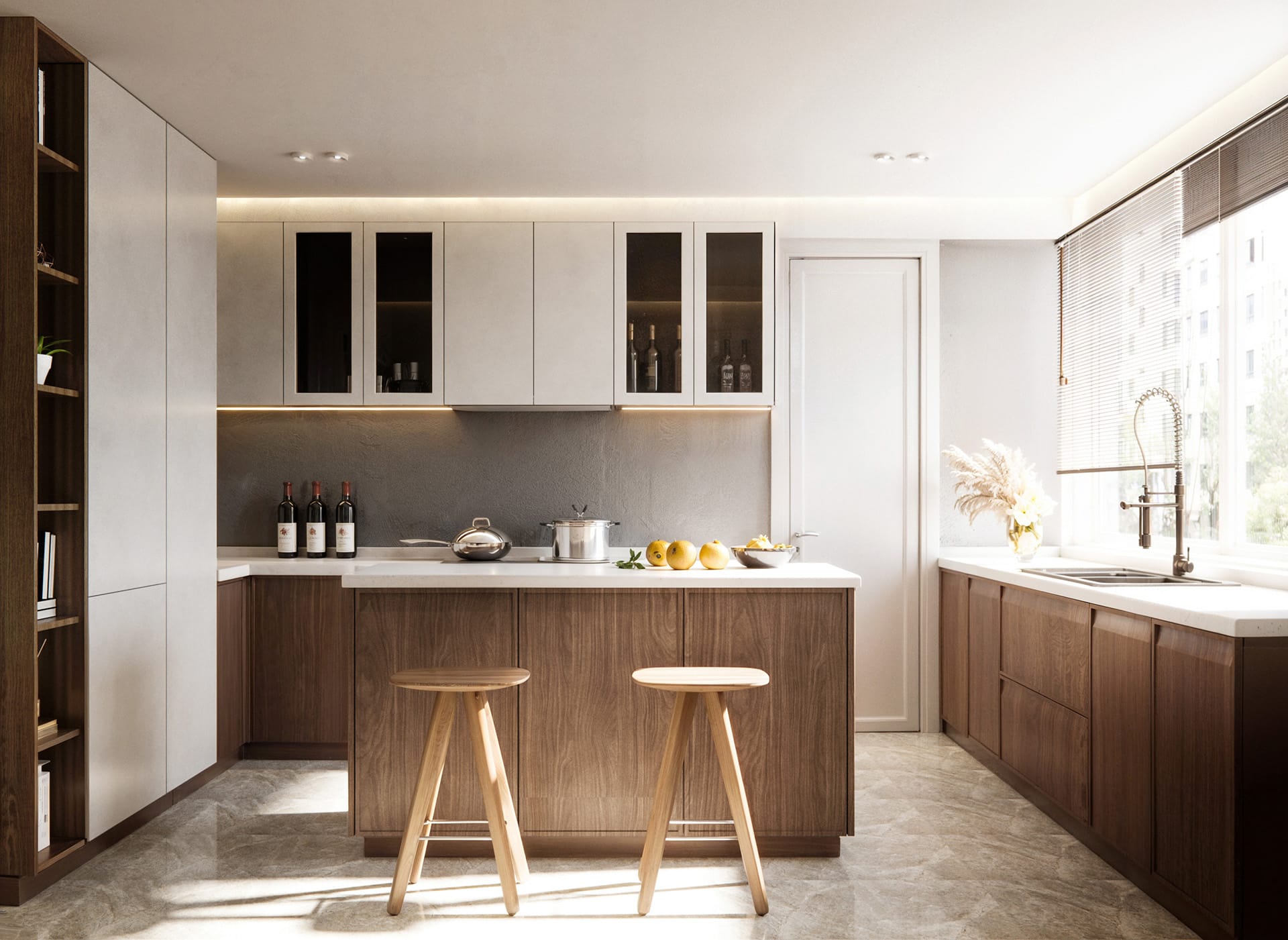
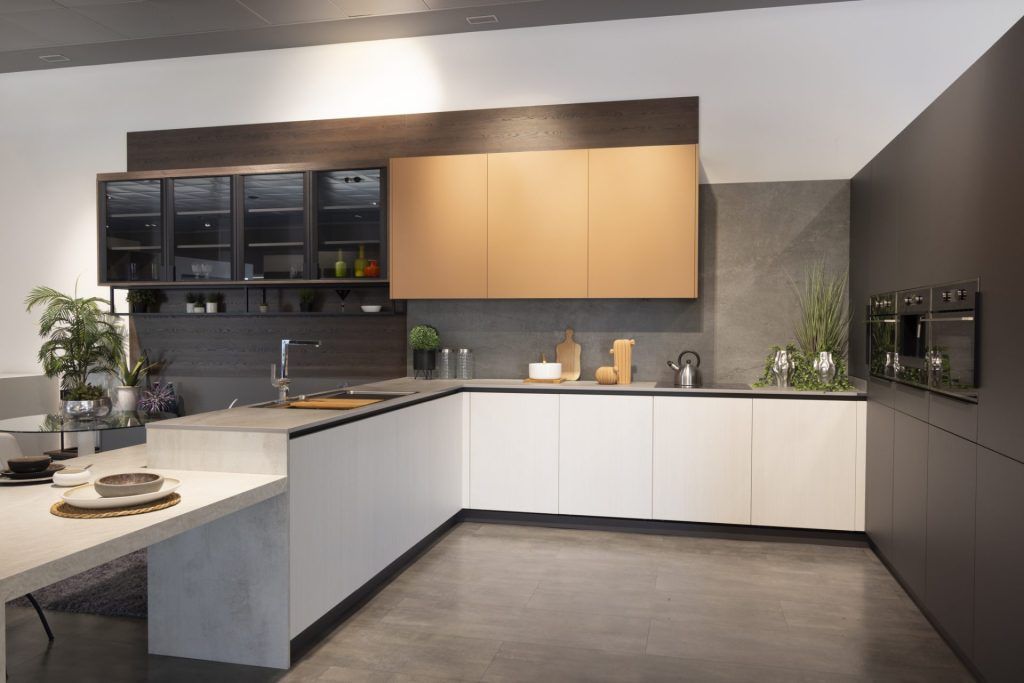
Almost every storage cabinet in a home is a variation on three building blocks. Once you can recognize them, it becomes far easier to read a floor plan, compare quotes, and spot where a room is wasting its height.
Base Cabinets and Drawer Stacks
Base cabinets sit on the floor and support a work surface, whether that is a kitchen countertop, a vanity top, or a laundry folding counter. They carry the heaviest loads in the house, so their construction and hardware matter most. More and more base units are built as stacks of deep drawers rather than a door with a fixed shelf, because a drawer brings its contents to you instead of making you kneel and dig.
Wall Cabinets and Open Shelving
Wall cabinets, also called upper cabinets, hang above a work surface. They hold lighter, frequently used items such as glassware, spices, toiletries, and cleaning supplies. Open shelves and glass-front uppers are lighter-looking alternatives that trade concealment for display, which suits the things you are happy to see every day.
Tall Cabinets, Pantry Units, and Utility Towers
Tall cabinets run from the floor toward the ceiling and deliver the most capacity per square foot of floor. In a kitchen they become pantries or oven housings; in a laundry room, broom closets; in a bedroom, wardrobes. Because they are tall and often deep, they must be secured to the structure. They also deserve the most careful interior planning, since a tall storage cabinet without pull-outs or adjustable shelves quickly becomes the place where things disappear.
Kitchen Storage Cabinets: Pantries, Corner Units, and Appliance Garages
The kitchen asks more of its cabinetry than any other room: heavy loads, constant use, heat, steam, and dozens of item categories. Good kitchen storage cabinets are planned around how you cook, starting with the items you reach for most and working outward from the sink, range, and refrigerator.
Pull-Out Pantries and Larder Cabinets
A tall pantry with full-extension pull-outs puts dry goods, cans, and bulk items in view from the front and both sides. Larder-style units with door-mounted racks and internal drawers suit households that shop in bulk. Either way, the goal is simple: nothing should hide behind something else.
Corner Storage Solutions
Corners are where kitchens lose the most usable space. Swing-out shelves, pull-out corner mechanisms, and carousel units bring the back of a blind corner within reach. When a mechanism is impractical, we often recommend a deep drawer bank on the adjacent wall and a smaller, deliberate dead zone instead of a cabinet nobody can reach.
Appliance Garages, Coffee Stations, and Specialty Units
Appliance garages hide the toaster, blender, and coffee machine behind a door while keeping them plugged in and ready. Other specialty units include tray dividers beside the oven, pull-out waste and recycling bins, spice pull-outs next to the range, and integrated panels for refrigerators and dishwashers. Each one replaces a generic box with a cabinet built for a single job.
If you are planning a full remodel, our custom kitchen cabinets page explains how built-to-measure boxes eliminate filler strips and wasted inches. For display storage, our glass-front and display cabinets page covers glass types, interiors, and lighting.
Bedroom and Closet Storage: Wardrobes, Reach-In Closets, and Walk-Ins
Bedroom storage cabinets are less about weight and more about inventory. A closet designed around how many long garments, folded items, and pairs of shoes you actually own will outperform a larger one built around a generic rod and shelf.
Reach-In Closets
A reach-in is the shallow closet you stand outside of. Most builder-grade versions waste their upper volume with a single rod and one shelf, so double hanging, extra shelving, and a drawer tower can add a surprising amount of capacity without adding floor area. See how we plan them on our reach-in closets page.
Walk-In Closets and Dressing Rooms
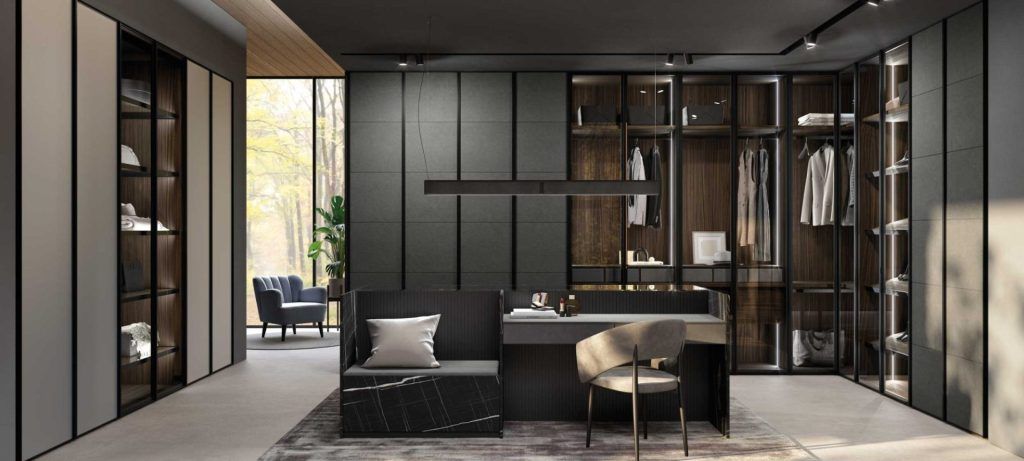
A walk-in closet is storage you enter, organized around a comfortable aisle. Hanging sections, drawer units, shoe shelving, and an island all compete for wall space, so the layout should follow the wardrobe rather than the floor plan. When the room also serves as the place you get ready, with seating, mirrors, and good lighting, it becomes a dressing room. Our walk-in closets page walks through layout options.
Wardrobe Cabinets and Armoires
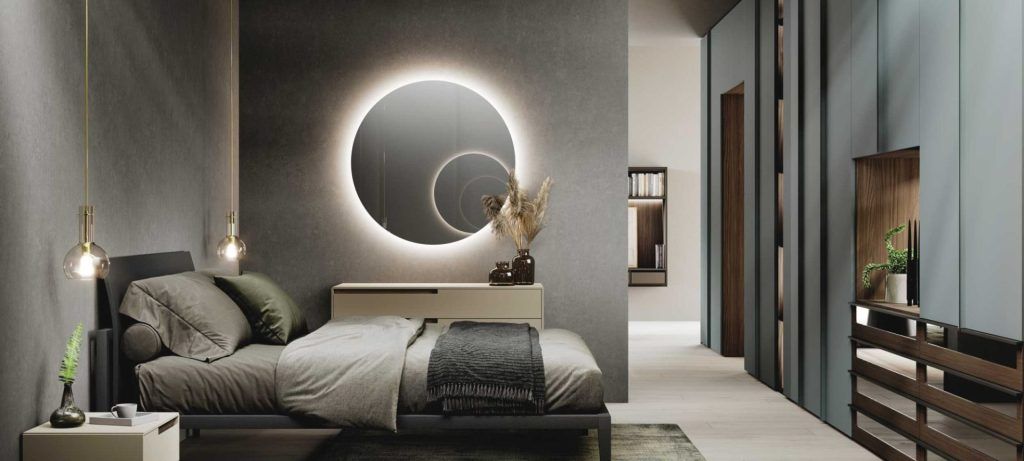
Where a bedroom has no closet, or the existing one cannot be made to work, a wardrobe supplies its own structure, doors, and interior. Built-in wardrobes scribe to the room and run to the ceiling, while freestanding armoires can move with you. Freestanding clothing storage is exactly the kind of furniture federal tip-over efforts target, so anchoring is not optional. Our wardrobe systems page compares both approaches.
Living Room and Dining Room Cabinets: Media Walls, Bookcases, and Display Units
Living spaces need storage that reads as furniture or architecture, because it is always on view. The best living room storage cabinet hides clutter low and gives the eye something worth looking at higher up.
Media Walls and TV Cabinets
A media wall combines a low base run for electronics and games with wall units, open shelves, and a place for the television. The details that matter are mostly invisible: ventilation for equipment, cable routes planned before installation, and doors that let remote signals through or open with a light touch. Suspended base cabinets keep the floor visible, which makes a room feel larger.
Built-In Bookshelves and Library Walls
Built-in bookshelves turn an entire wall into storage and can frame windows or a fireplace in a way freestanding bookcases cannot. The main engineering risk is sag. Books are heavy, and a long, thin shelf will bow over time, so shorter spans, thicker shelves, and closed base cabinets for the heaviest items keep everything flat. Learn more on our built-in bookshelves page.
Sideboards, Buffets, and Display Cabinets
In dining rooms and open-plan spaces, the sideboard is the most versatile storage cabinet you can own. It holds tableware, linens, and serving pieces at a convenient height while giving you a surface for entertaining. Glass-front display cabinets showcase collections, and integrated lighting turns them into a feature at night. If your living area flows into the kitchen, our guide on whether living room cabinets need to match the kitchen explains how to coordinate finishes.
Home Office Storage Cabinets and Built-In Workstations
A home office has its own storage list: files, equipment, supplies, reference books, and a surprising tangle of cables. The most effective mix usually combines file drawers under the desk, closed upper cabinets for supplies, and open shelving for the books and binders you use often.
File drawers need heavy-duty runners, because paper is heavier than it looks, and a well-planned office storage cabinet has cable routes designed in rather than drilled afterward. If the office doubles as a guest room or sits off the living area, doors that close over the workstation let the room switch modes at the end of the day.
Our post on home office cabinets for storage, desk, and display goes deeper on layouts, and our home office and study cabinetry page shows what we build.
Bathroom Storage Cabinets: Vanities, Linen Towers, and Medicine Cabinets
Bathrooms pair small footprints with the toughest conditions in the house: steam, splashes, and frequent cleaning. That makes material choice as important as layout.
Vanity Cabinets
The vanity is the workhorse, holding toiletries, towels, and cleaning supplies around the sink plumbing. Drawers shaped around the drain trap use space a single cupboard wastes, and wall-hung vanities make the floor easier to clean. Because cleaning products often end up under the sink, households with young children should plan a locking compartment from the start.
Linen Towers and Medicine Cabinets
A tall linen cabinet beside the vanity stores towels, paper goods, and backup supplies without crowding the counter. Recessed or surface-mounted medicine cabinets keep daily items at eye level behind a mirror, which frees the vanity drawers for bulkier things.
Moisture Protection
Steam is the main threat to any bathroom storage cabinet. The U.S. Environmental Protection Agency recommends keeping indoor humidity below 60 percent, ideally between 30 and 50 percent, and running the bathroom fan or opening a window while you shower. It also advises drying wet materials within 24 to 48 hours to prevent mold. Cabinetry does its part with moisture-resistant cores, fully sealed edges, and finishes that tolerate frequent wiping.
Laundry Room and Mudroom Cabinetry
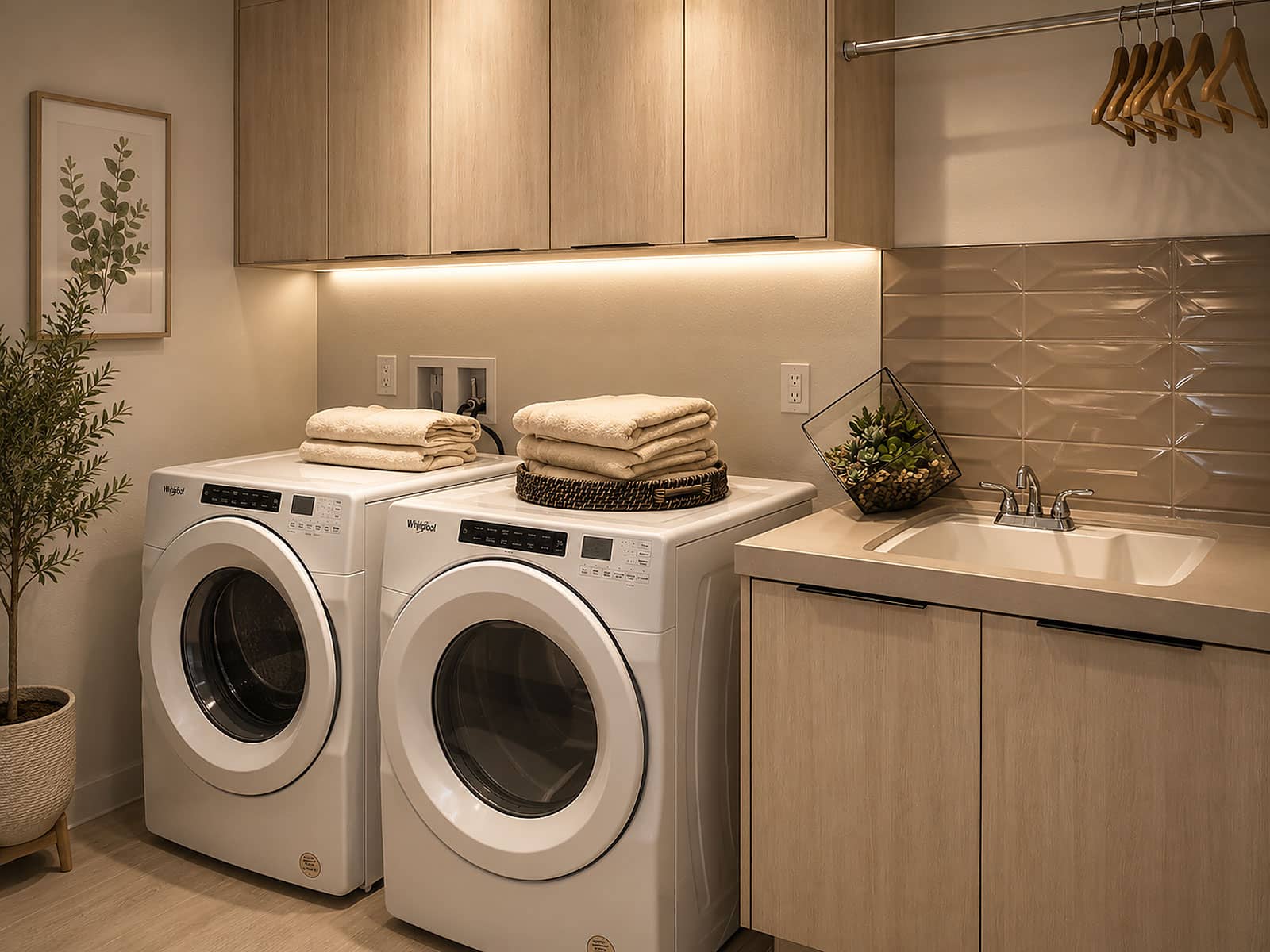
A laundry room is warm, humid, and full of vibration, which makes it a harder place for cabinetry than it looks. Laundry room storage cabinets should use moisture-tolerant materials, sealed edges, and secure anchoring, the same standards you would expect in a kitchen.
Laundry Room Cabinets
The most useful types are:
- Upper cabinets for detergents, stain removers, and spare supplies
- A folding counter over front-loading machines
- Pull-out hampers for sorting lights and darks
- A tall utility cabinet for brooms, the vacuum, and the ironing board
- A hanging rod or drying rack for delicates
Mount upper cabinets high enough to clear the lid of a top-loading washer, and keep detergent behind a closed door. The U.S. Consumer Product Safety Commission advises storing laundry packets, like all medicines and household chemicals, in their original container and out of a child’s sight and reach. For more ideas, see our laundry room cabinet ideas post and our laundry room cabinetry page.
Mudroom and Entry Storage
Mudrooms and entry halls handle wet coats, shoes, backpacks, and sports gear. Open cubbies with hooks keep everyday items accessible, while closed upper cabinets hide seasonal gear. A bench with drawers or a lift-up seat gives everyone a place to sit and a place to drop things. A locker-style storage cabinet for each family member ends the morning search for shoes, and ventilated doors or open sections let damp items dry instead of trapping moisture.
Garage and Utility Storage Cabinets
Garage cabinetry is built for durability rather than display. Wall-hung cabinets keep belongings off a floor that may get wet, tall lockable units secure tools and chemicals, and a workbench with drawers below gives small parts a permanent home. Choose materials that tolerate temperature swings and dust, and lift base units off the slab on legs or a plinth.
Overhead racks work well for seasonal bins, but heavy items should stay low, where they are easier to lift safely. Paint, solvents, pool chemicals, and pesticides should be stored according to their label directions and locked away from children. Prestige Cabinet focuses on interior rooms, but the same principle applies in the garage: decide exactly what each storage cabinet will hold before you choose its size, depth, and door.
How to Choose the Right Storage Cabinet for Each Room
Once you know which cabinet types a room needs, five practical questions narrow the choice. These are the same questions our designers work through in every consultation.
Start With an Inventory, Not a Style
List what the room must hold, how often you reach for each item, and who uses it. Daily items belong between hip and shoulder height, while occasional items can go high or low. This inventory decides the mix of drawers, doors, and open shelves far better than a photo ever will. The most common mistake we see is a beautiful room designed before anyone counted what it needs to store.
Match Materials to Moisture and Daily Use
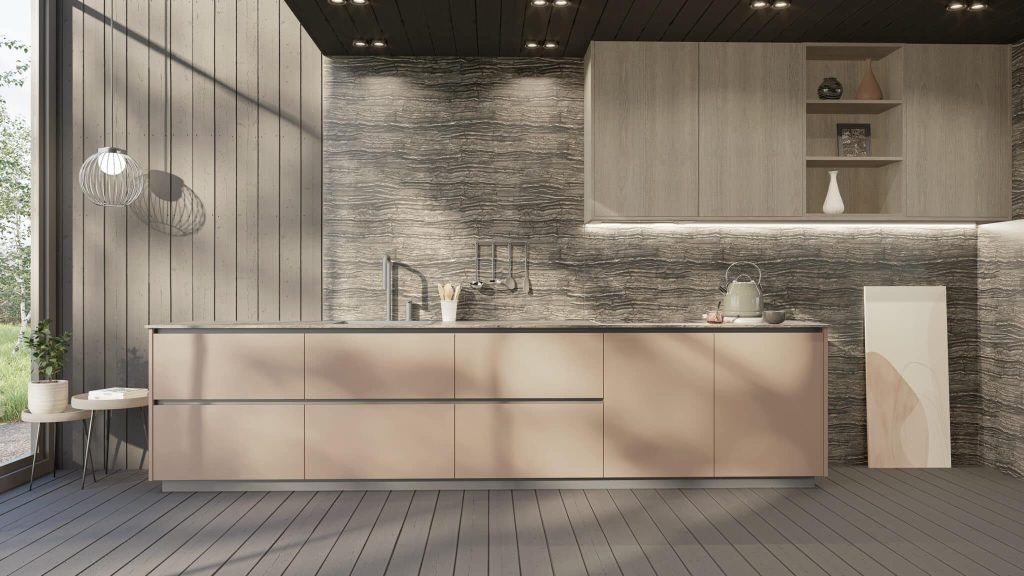
Kitchens, bathrooms, and laundry rooms need moisture-resistant cores, sealed edges, and hard-wearing finishes. Closets and living rooms can lean toward appearance, with wood veneer, lacquer, or matte surfaces. Whatever the room, ask whether the composite panels comply with the EPA’s TSCA Title VI formaldehyde standards. A finish that looks perfect in a dressing room may struggle in a laundry room within a few years.
Anchor Tall Units and Plan for Safety
Any tall storage cabinet, bookcase, wardrobe, or TV unit must be secured to the wall. The U.S. Consumer Product Safety Commission’s Anchor It! campaign urges families to anchor all furniture with drawers, doors, and shelves, and a federal rule to prevent furniture tip-overs took effect on September 1, 2023. Built-in cabinetry is fastened to the structure during installation, which removes much of this risk by design.
Choose Doors, Drawers, or Open Shelves
- Drawers: best for base cabinets and heavy items, because they bring the contents to you
- Doors with adjustable shelves: best for tall, bulky, or irregular items
- Glass fronts: display with dust protection, ideal for glassware and collections
- Open shelves: best for daily-use items and decor, but they need regular dusting
Most rooms benefit from a combination, with closed storage below and lighter, more visual storage above.
Coordinate Across Connected Rooms
In open-plan homes, the living area, kitchen, and even the laundry are often visible from one another. Using one cabinet maker for every room keeps door styles, finishes, and hardware consistent, so each storage cabinet looks like it belongs to the same house rather than to three different suppliers.
FAQs: Storage Cabinets for Every Room
The three core types are base cabinets that sit on the floor, wall cabinets that hang above a work surface, and tall cabinets that run toward the ceiling. Each can be built in or freestanding. Room-specific versions, such as pantries, wardrobes, vanities, media units, linen towers, and utility lockers, are variations on those three forms, adapted to what the room needs to hold.
Use height and depth before floor area. Tall, shallow units, wall-hung cabinets, and drawers in place of door-and-shelf bases usually add the most usable storage to a small room. Built-ins scribed to the walls recover gaps that freestanding furniture wastes, and light-colored or mirrored fronts help the room feel more open.
Yes, any tall or top-heavy unit should be. The U.S. Consumer Product Safety Commission recommends anchoring all furniture with drawers, doors, and shelves to prevent tip-overs. Built-in cabinets are fastened to the structure during installation, while freestanding wardrobes, bookcases, and TV units need an anchoring kit secured to the wall, ideally into a stud.
Look for moisture-resistant engineered cores, fully sealed edges, and finishes that tolerate frequent wiping, such as laminate, lacquer, or properly sealed veneer. Ventilation matters as much as the cabinetry itself, so pair it with an exhaust fan and keep indoor humidity under control. Ask your supplier how the panel edges are sealed around sinks and appliances.
For rooms you use every day in a home you plan to keep, usually yes. Built-ins fit the room exactly, use the full height of the wall, are safer because they are fastened to the structure, and coordinate with the architecture. Freestanding furniture makes more sense for renters, short-term plans, or spaces you expect to reconfigure.
Plan Storage for Every Room With Prestige Cabinet
The best storage cabinet for any room is the one designed around what you own and how you live. Base, wall, and tall units are the building blocks; the room decides how they are combined, finished, and protected from moisture, weight, and curious hands.
At Prestige Cabinet, we design Italian-made cabinetry for kitchens, closets, and living spaces, fitted with European-engineered hardware and backed by a lifetime warranty. Visit our Santa Ana showroom at 650 S Grand Ave or our Laguna Niguel showroom at 23811 Aliso Creek Rd, Unit 160, to open the drawers and compare finishes in person. Or book a free design consultation, and we will help you plan storage for every room in your home.