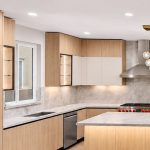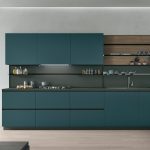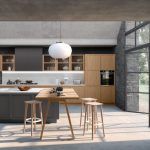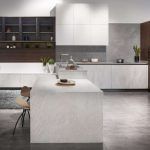
Neither style ages better by default. Classic luxury kitchens usually age more gracefully on looks, because recessed-panel doors, natural wood, and furniture-style detailing have stayed in demand for generations. Modern luxury kitchens usually age better on function, because frameless boxes, full-extension drawers, and adjustable concealed hinges keep working smoothly for decades. The kitchens that hold up best borrow from both: restrained, proportion-led design, honest materials like real wood and low-sheen finishes, and engineering you can adjust instead of replace. Style decides how a kitchen looks on day one. Materials and construction decide how it looks in year twenty.
That is the short answer, and it is the one we give most often in our Orange County showrooms. The longer answer is worth your time, because luxury kitchens are among the few rooms you are likely to live with for fifteen or twenty years, and “timeless” means very different things depending on whether you are talking about a door profile, a lacquer finish, or a drawer runner.
At Prestige Cabinet, we design and build both modern and classic luxury kitchens, so we have no reason to push you toward one camp. This guide explains what “aging well” really means, how each style tends to wear over time, what recent research says about trend cycles, and how to design a kitchen that still feels right long after the renovation photos are taken.
The Short Version: How Modern and Classic Luxury Kitchens Age
If you only have a minute, here is how the two styles compare over the long run:
- Visual longevity: Classic designs rely on shapes that have been popular for generations, so they rarely look “of a moment.” Modern designs can look dated faster if they lean on a trend color or a novelty finish.
- Physical wear: Flat, smooth modern surfaces show scratches and fingerprints more readily but are easy to clean. Classic profiles hide minor wear in their shadow lines but collect dust in corners and grooves.
- Functional longevity: Modern construction typically delivers more usable storage and easier long-term adjustment. Classic construction can be equally durable, but inset and face-frame details depend on precise initial installation.
- Repairability: Painted classic finishes are often easier to touch up. High-precision modern lacquers may need professional refinishing to match perfectly.
- Adaptability: Modern kitchens accept new hardware, lighting, and appliances easily. Classic kitchens accept new paint colors and decorative changes easily.
Neither list wins outright. What matters is which kind of aging you are more willing to live with.
What “Aging Well” Really Means in Luxury Kitchens
When homeowners ask which style ages better, they are usually asking three separate questions at once. Pulling them apart makes the decision much clearer.
Visual Aging: When a Kitchen Style Starts to Look Dated
Visual aging is the moment a kitchen starts to tell people what year it was installed. It almost never comes from the overall style. It comes from specific, trend-driven choices: a very particular color, a highly patterned stone, an oversized pendant, or a finish that was everywhere for three years and then disappeared.
Both modern and classic luxury kitchens can date this way. A classic kitchen loaded with heavy glazing, ornate corbels, and busy granite can look just as tied to its era as a modern kitchen in a once-fashionable high-gloss color. The style is rarely the culprit. The trend layer on top of it is.
Physical Aging: How Materials and Finishes Wear
Physical aging is what happens to surfaces after thousands of meals, cleanings, and door openings. This is where material choice matters more than style. According to the USDA Forest Products Laboratory’s Wood Handbook chapter on finishing wood, finishes exist mainly to protect wood, preserve its appearance, and make surfaces easier to clean, and the level of protection depends on the type of finish, its quality, how much is applied, and how it is applied. The same research notes that even indoors, wood surfaces can change color over time.
In practice, that means the quality of the finish and the way it is applied will affect how your cabinets look in fifteen years far more than whether the doors are flat or framed.
Functional Aging: Whether the Kitchen Still Fits Your Life
Functional aging is the quietest kind and often the most frustrating. A kitchen can look beautiful and still age badly if drawers sag, hinges drift out of alignment, corner cabinets become black holes, or the layout no longer fits how your household cooks. Luxury kitchens that age well are built around storage that adapts: deep drawers instead of fixed shelves, adjustable interiors, and hardware engineered for heavy daily use.
Defining the Two Styles of High-End Kitchen Design
Before comparing how they age, it helps to be precise about what each style actually is.
What Makes a Modern Luxury Kitchen
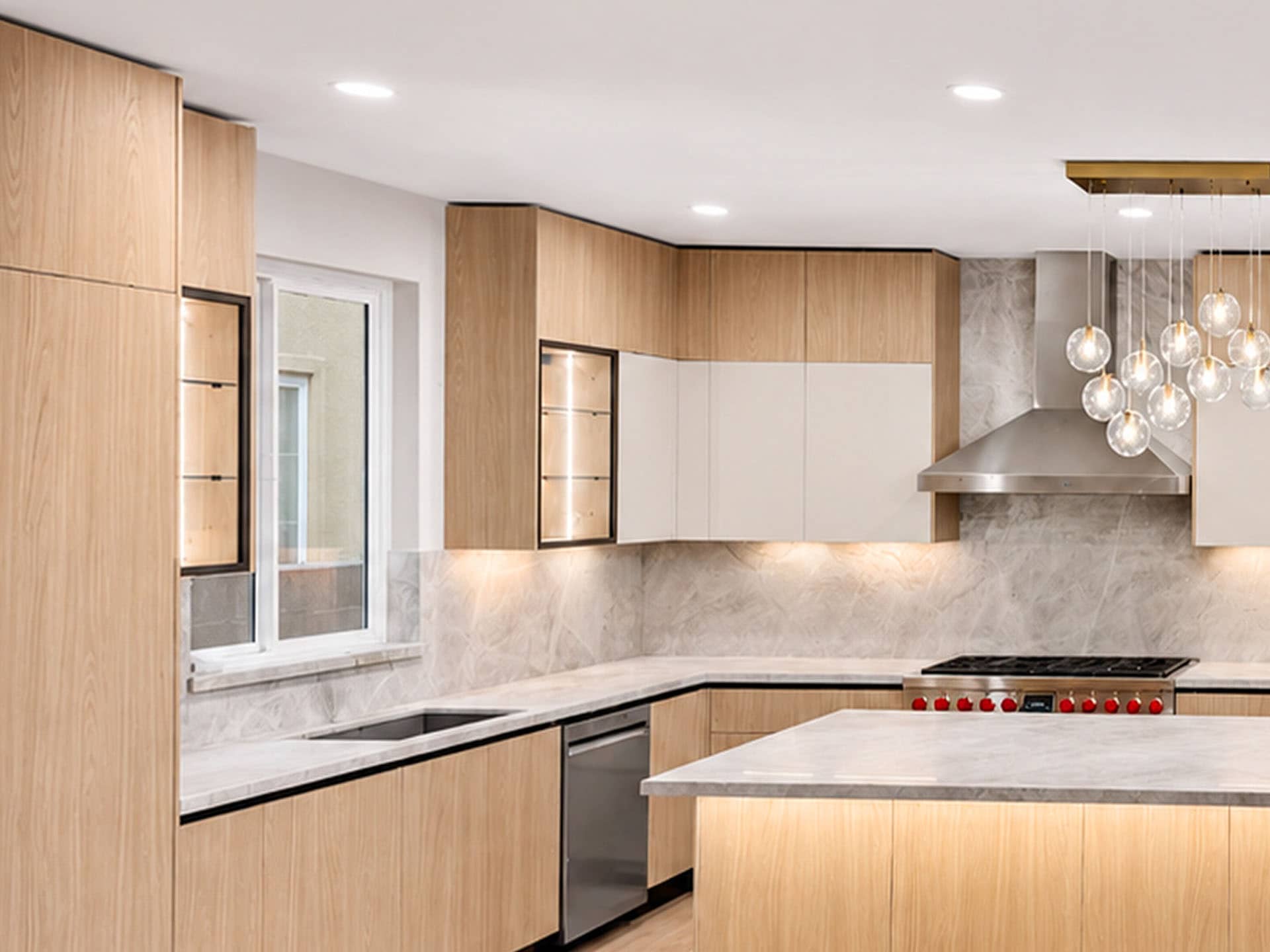
Modern luxury kitchens are defined by clean geometry and restraint. Typical features include:
- Flat-panel or slab doors with minimal or integrated hardware
- Frameless cabinet boxes with full-overlay doors and tight, even reveal lines
- Matte lacquers, high-gloss finishes, wood veneers, or textured surfaces
- Handleless designs using channels, push-to-open mechanisms, or edge pulls
- Concealed, multi-way adjustable hinges and full-extension, soft-close drawers
- Long, uninterrupted horizontal lines and integrated appliances
If you want to see how these elements come together, our modern luxury kitchens collection page shows the full range, from handleless kitchen cabinets to matte and textured finishes.
What Makes a Classic Luxury Kitchen
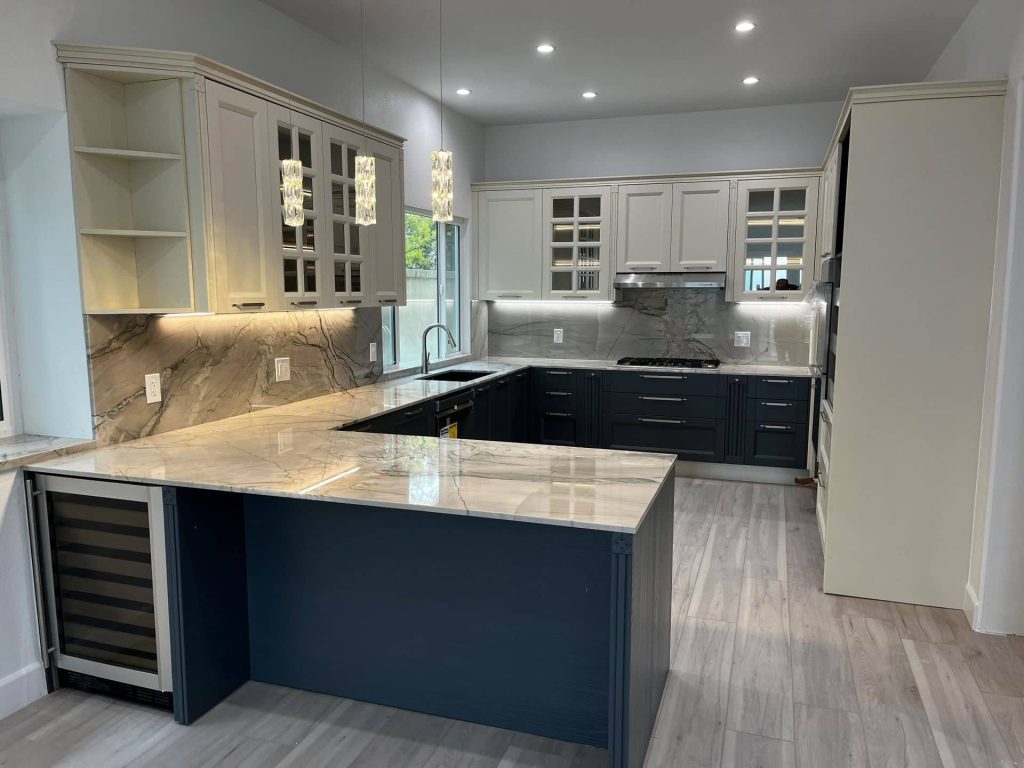
Classic luxury kitchens draw on centuries of furniture making. Typical features include:
- Five-piece doors, such as Shaker or raised-panel profiles
- Visible framing, mouldings, and sometimes inset doors that sit flush within the frame
- Painted finishes, stained hardwoods, and decorative glass-front uppers
- Statement range hoods, furniture-style islands, and traditional hardware like knobs and cup pulls
- A layered, collected look that reads as part of the architecture
Our classic luxury kitchens page covers how we approach these profiles, including raised panel kitchen cabinets and inset cabinets.
Transitional: The Middle Ground Most Homeowners Choose
Between the two sits transitional design, which pairs classic forms with modern restraint, for example a slim Shaker door on a frameless box, or a painted perimeter with a flat-panel wood island. It is worth mentioning here because it is, by a wide margin, the style renovating homeowners choose most often. We will come back to why that matters for longevity.
How Modern Luxury Kitchens Age
Modern design has a reputation for dating quickly. That reputation is only half deserved.
Where Contemporary Kitchen Design Holds Up
The strongest argument for modern luxury kitchens is engineering. Frameless construction removes the face-frame lip at the cabinet opening, so drawers run closer to the full interior width and large cookware slides in and out without catching. Concealed European hinges can be adjusted in several directions with a screwdriver, which means a door that drifts slightly over the years can be corrected in minutes rather than rehung. Full-extension, soft-close drawer systems reduce slamming and wear on the box itself.
Clean geometry also ages well visually when it stays restrained. A well-proportioned slab door in a warm wood veneer or a soft matte finish has very little that can go out of fashion. There is no moulding profile tied to a decade, no glaze color tied to a trend. Many of the most enduring modern luxury kitchens look almost architectural, more like built-in millwork than furniture, which is exactly why they can feel current for a long time. Our flat-panel slab cabinets page explains how proportion and grain direction keep that look from feeling cold.
Where Minimalist Kitchens Show Their Age
Modern design dates fastest in three places:
- Trend colors: A strong color that dominates every surface ties the whole kitchen to the year it was chosen.
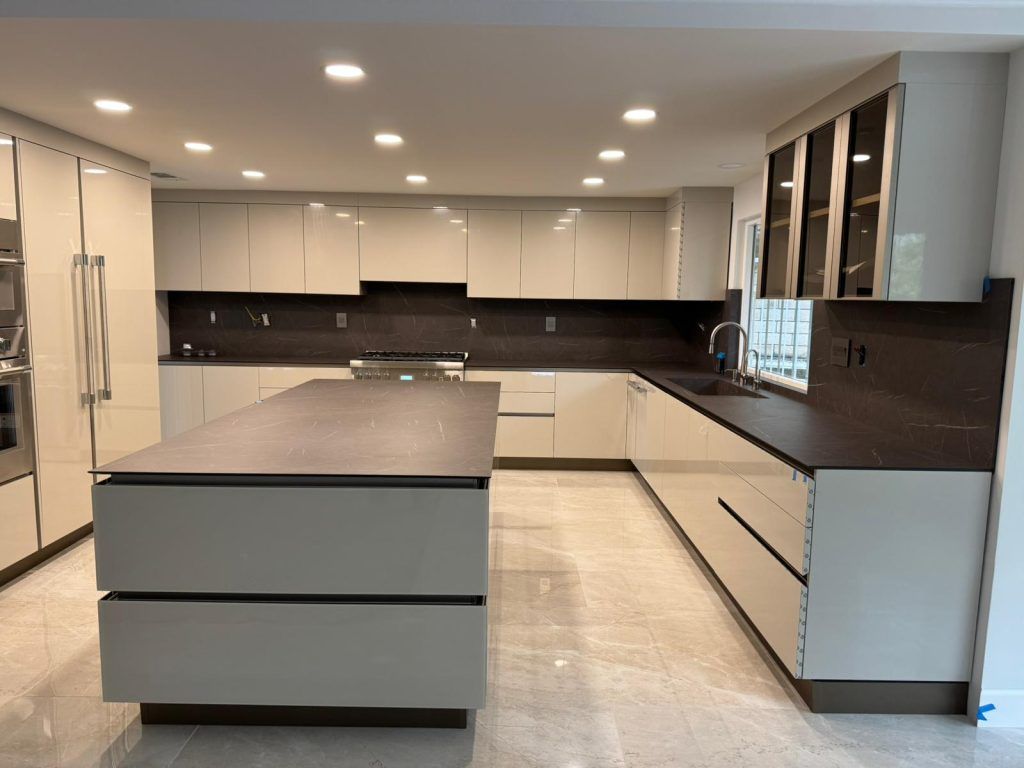
- High-gloss surfaces: Gloss reflects light beautifully but also shows fingerprints, micro-scratches, and dents more readily than matte or wood surfaces. It ages well in low-traffic zones and less well on high-use lower cabinets. Our high gloss kitchen cabinets page covers where gloss performs best.
- Ultra-cool palettes: All-gray or all-white minimalist kitchens with no wood, texture, or warmth can start to feel clinical once the novelty fades.
The lesson is not to avoid modern design. It is to keep modern luxury kitchens grounded in warm materials and to treat bold colors and high-shine finishes as accents rather than the whole story.
How Classic Luxury Kitchens Age
Classic design has a reputation for being timeless. That reputation is mostly deserved, with a few important caveats.
Why Traditional Kitchen Design Feels Timeless
Classic door profiles such as the Shaker door have survived for generations because they solve real problems. A recessed panel inside a sturdy frame allows solid wood to expand and contract with seasonal humidity. The shadow line around each panel gives depth without ornament. And because the shapes themselves have been in continuous use for so long, they no longer signal a specific decade.
Classic luxury kitchens also age with a certain grace that flat surfaces cannot imitate. Minor dings, soft wear on a painted edge, or the gradual mellowing of stained wood tend to read as character rather than damage, especially in homes with period architecture. A good painted finish can also be touched up in place, which helps the kitchen look cared for over decades. Our page on European Shaker kitchen cabinets shows how this profile can be updated without losing that durability.
Where Classic Detailing Can Date
Classic luxury kitchens date when the detailing gets heavy:
- Excess ornament: Stacked crown mouldings, ornate corbels, and decorative appliqués on every surface can make a kitchen feel like a period set rather than a home.
- Faux aging: Heavy glazing and distressed finishes were designed to suggest age, but they often end up dating the kitchen to the era when faux aging was popular.
- Dark, closed layouts: Wall-to-wall upper cabinets in deep finishes with little natural light can feel heavy as tastes shift toward lighter, more open rooms.
- Maintenance in the details: Raised panels, beads, and grooves collect dust and kitchen grease. They are easy to clean with regular care but less forgiving when neglected.
The most enduring classic luxury kitchens show restraint: a clean profile, a well-chosen finish, and ornament concentrated in one or two focal points such as a range hood or glass display cabinet.
Materials and Finishes: The Real Test of Timeless Kitchen Design
If there is one idea to take from this guide, it is this: the materials you choose will decide how well your kitchen ages far more than the style label you put on it.
Natural Wood, Veneer, and Visible Grain
Wood is the most forgiving material in luxury kitchens, in both modern and classic designs. Grain disguises everyday wear, warm tones sit comfortably beside changing paint colors and countertops, and wood has never fully left the design conversation. It is also having a clear moment: in the 2026 U.S. Houzz Kitchen Trends Study, wood overtook white as the most popular cabinet color among renovating homeowners, at 29% versus 28%, with medium wood tones leading the category.
Wood does change over time, so the finish matters. A quality factory-applied finish slows color change and makes surfaces easier to clean, which supports the USDA findings mentioned earlier. Some species mellow and deepen gracefully; others lighten or shift. Ask to see aged samples, not just fresh ones. Our pages on wooden cabinets and wood veneer cabinets cover species and grain options in more depth.
Painted, Lacquered, and Matte Surfaces
Painted and lacquered finishes show their age differently:
- Matte and low-sheen finishes hide fingerprints and minor scratches well and tend to look calm and current across many design eras.
- High-gloss lacquers deliver drama and light but highlight surface imperfections, so they suit upper cabinets and feature walls better than heavy-use lower runs.
- Painted classic finishes are often the easiest to touch up, though they can show chips at edges in high-traffic areas.
White and off-white remain widely chosen, and they age well when the undertone is warm and the surrounding materials add texture. All-white kitchens with no contrast are the ones most likely to feel dated as tastes shift toward warmth.
Hardware, Hinges, and Drawer Systems
Hardware is the hidden factor in how luxury kitchens age. A beautiful door on a weak hinge will look tired within a few years. Look for concealed hinges that adjust in three directions, full-extension drawer runners rated for heavy loads, and soft-close mechanisms on both doors and drawers. This is where German-engineered hardware earns its reputation, and it applies just as much to classic kitchens as to modern ones.
Decorative hardware is the easiest thing to update. If you love a trend-driven pull or knob, choose it. Swapping hardware later is one of the simplest ways to refresh a kitchen without touching the cabinetry.
What Recent Research Says About Kitchen Style Longevity
Trend data cannot predict the future, but it can show which styles have staying power. Houzz’s 2026 study, which surveyed 1,780 renovating homeowners, found that 78% changed their kitchen style during a remodel. Among those, transitional led at 25%, followed by traditional at 12%, modern at 11%, and contemporary at 10%.
Two findings stand out for anyone asking which style ages better:
- The middle ground dominates. Transitional design, which blends classic forms with modern restraint, is chosen more than twice as often as any single pure style. Homeowners are effectively voting for luxury kitchens that hedge against dating in either direction.
- Style fatigue is a real driver. In the same study, 41% of homeowners cited dissatisfaction with their old kitchen’s style as a reason to renovate, nearly matched by deterioration or poor function at 38%. Kitchens rarely get replaced because they are worn out alone. They get replaced because they look dated, stop working well, or both.
That second point is the clearest argument for designing around longevity from the start. A kitchen that avoids both visual and functional aging postpones the next renovation by years.
Resale, Satisfaction, and the Long View for High-End Kitchens
For many homeowners, aging well also means holding value. The 2025 Remodeling Impact Report from the National Association of Realtors and the National Association of the Remodeling Industry gave a kitchen upgrade a perfect Joy Score of 10, its top rating for homeowner happiness after completion. Realtors in the same report also named kitchen upgrades as the project with the largest observed increase in demand.
What does that mean for style? Buyers tend to respond to kitchens that feel fresh but not personal. Neutral, well-built luxury kitchens in either style are easier for a buyer to imagine living in than ones dominated by a strong trend. If resale is a near-term concern, lean toward restrained versions of either modern or classic luxury kitchens and save your boldest choices for elements that are easy to change, such as hardware, lighting, paint on walls, and accessories.
If you plan to stay for decades, the calculation shifts. Your own long-term satisfaction matters more than a hypothetical buyer, and that NAR Joy Score is a useful reminder that the kitchen you love using every day is itself a return on the investment.
How to Design Luxury Kitchens That Age Gracefully in Either Style
Whether you lean modern or classic, these principles will help your kitchen age well:
- Let proportion lead, not ornament. Well-proportioned doors, consistent reveal lines, and balanced cabinet runs look good in any decade.
- Use warm, natural materials somewhere. Wood grain, stone, or textured finishes keep a kitchen from feeling cold as tastes shift.
- Put trends where they are easy to change. Bold colors and statement hardware are best on an island, a single wall, or replaceable elements.
- Invest in the parts you cannot see. Box construction, hinges, and drawer systems decide how the kitchen feels in year fifteen.
- Choose finishes for how you live. Busy families and avid cooks benefit from matte or wood surfaces on lower cabinets.
- Plan storage around habits, not photos. Deep drawers, pantry systems, and dedicated zones age better than open shelving everywhere.
- Respect the architecture. A kitchen that fits the rest of the home rarely looks dated, because it never looked out of place.
- Check the certifications. Ask whether cabinets meet recognized performance standards and that composite materials comply with federal formaldehyde emission rules.
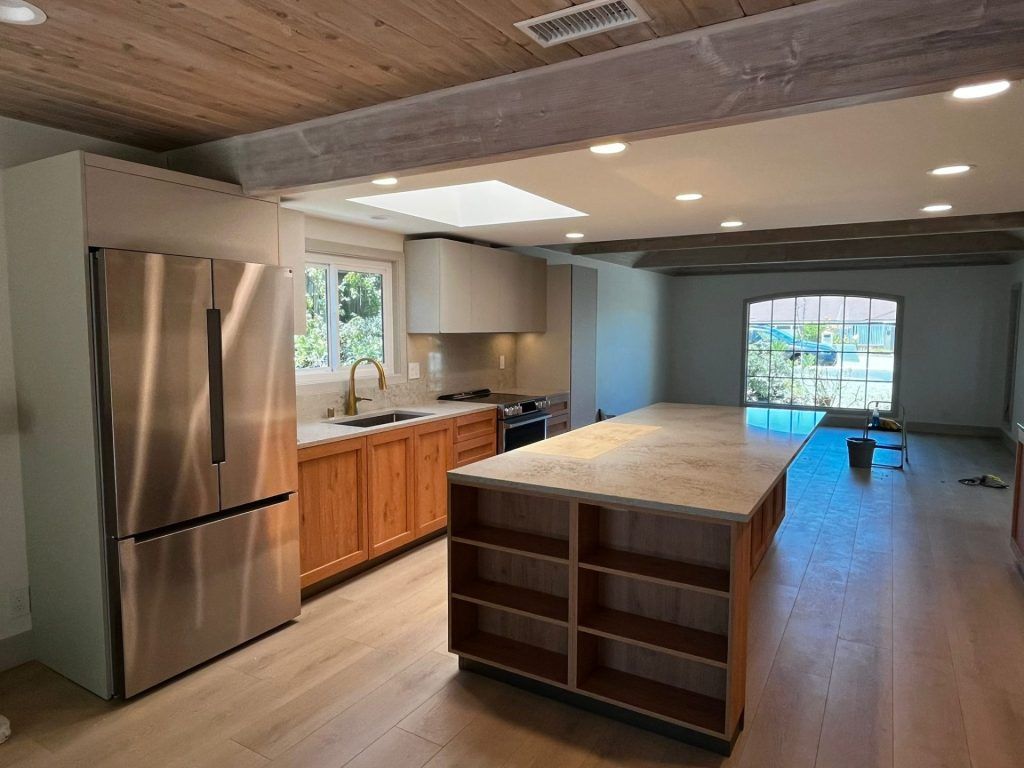
Two-tone schemes are one of the most effective ways to apply these principles. Pairing a restrained painted perimeter with a wood island, for example, combines timeless structure with warmth. Our guide to two-tone kitchen cabinets covers how to balance the two.
Modern or Classic? Matching Luxury Kitchens to Your Orange County Home
Orange County’s architecture ranges from Spanish Revival and coastal cottages to new transitional builds and modern hillside homes. That variety makes the “which ages better” question very personal.
Choose a Modern Design When
- Your home is contemporary, mid-century, or a new open-plan build.
- You value maximum drawer storage and easy long-term adjustment.
- You prefer clean lines and want the kitchen to read as architecture rather than furniture.
- You are willing to ground the design in wood or matte finishes to keep it warm.
Choose a Classic Design When
- Your home has period architecture, such as Craftsman, colonial, Mediterranean, or farmhouse influences.
- You want the kitchen to feel like furniture, with visible framing and traditional hardware.
- You like the idea of a kitchen that wears in gracefully rather than staying pristine.
- You are comfortable with a little more cleaning around profiles and mouldings.
Choose Transitional When You Cannot Decide
If you find yourself drawn to both lists, you are in good company. Transitional luxury kitchens let you keep the warmth of a classic profile with the function and clean lines of modern construction, which is a large part of why transitional leads the trend data year after year.
See Modern and Classic Luxury Kitchens Side by Side at Prestige Cabinet
Photos flatten cabinetry. The difference between a matte lacquer and a painted finish, or between a slim Shaker profile and a slab door, is much easier to judge in person. At Prestige Cabinet, our Italian-made cabinetry spans both modern and classic collections with hundreds of finishes, German-engineered hardware, and a lifetime warranty, so you can compare luxury kitchens of both styles in one visit:
- Santa Ana: 650 S Grand Ave, Santa Ana, CA 92705
- Laguna Niguel: 23811 Aliso Creek Rd, Unit 160, Laguna Niguel, CA 92677
Our designers can model your kitchen in both styles using your actual floor plan, so you can see how each would look and work before you commit. Book a free design consultation to get started, or browse our completed projects for inspiration.
Frequently Asked Questions About Modern and Classic Luxury Kitchens
Which kitchen style is the most timeless?
Classic profiles such as the Shaker door have the longest track record, but the most timeless luxury kitchens are defined by restraint rather than style. Clean proportions, natural materials, quality finishes, and well-engineered hardware age well in both modern and classic designs. Transitional kitchens, which combine the two, are currently the most popular choice among renovating homeowners.
Do modern luxury kitchens go out of style faster?
They can, but usually because of trend-driven choices rather than the style itself. Strong trend colors, all-gloss surfaces, and very cool palettes date fastest. A modern kitchen built around warm wood or matte finishes, simple slab doors, and integrated hardware can stay current for many years.
Are classic luxury kitchens harder to maintain?
Slightly, in one way. Raised panels, mouldings, and grooves collect dust and grease more than flat doors and need regular wiping. On the other hand, painted classic finishes are often easier to touch up when chipped, and minor wear tends to read as character rather than damage.
What cabinet finish ages best in a high-end kitchen?
Natural wood and wood veneer with a quality factory finish are the most forgiving, because grain disguises everyday wear and warm tones sit well with changing design trends. Matte and low-sheen painted finishes are a close second. High-gloss lacquer is striking but shows fingerprints and scratches more readily, so it suits uppers and feature areas best.
Is a transitional kitchen a good compromise between modern and classic?
Yes. Transitional design pairs classic forms, such as slim Shaker doors, with modern construction, clean lines, and concealed hardware. It hedges against dating in either direction, which helps explain why it leads current kitchen trend research by a wide margin.